
🥗 Smart Diet Planner
What is BMI and Why It Matters
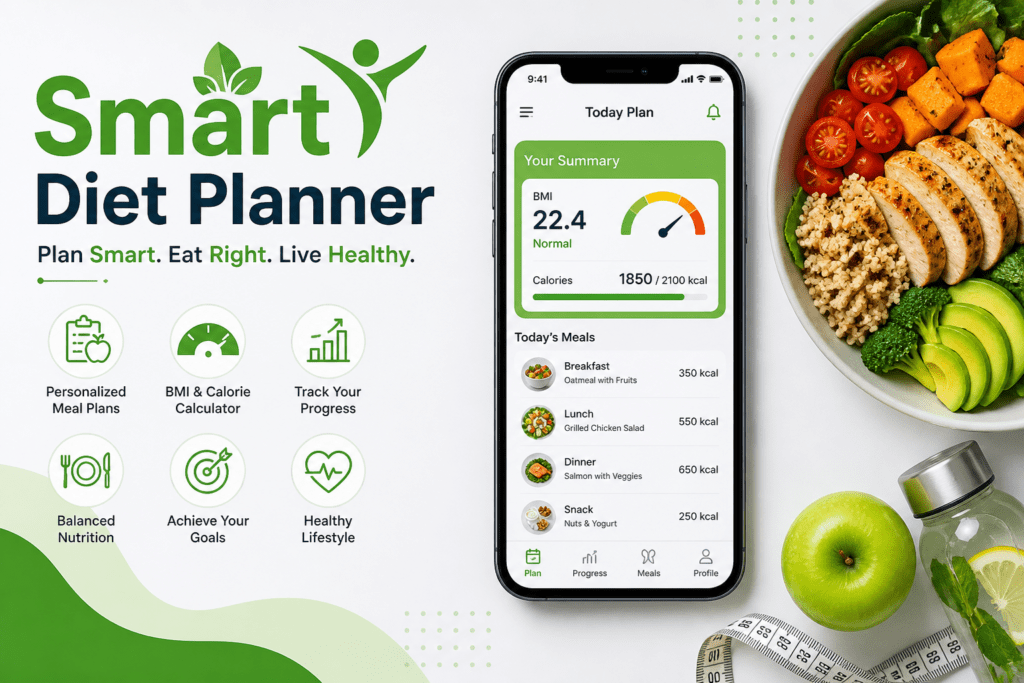
Understanding Body Mass Index (BMI)
If you’ve ever tried to lose weight or build muscle, you’ve probably heard about BMI (Body Mass Index). But what exactly is it, and why does it matter so much in diet planning? BMI is a simple calculation that uses your height and weight to estimate whether you are underweight, normal weight, overweight, or obese. The formula is straightforward: weight in kilograms divided by height in meters squared.
Think of BMI as your starting point—a compass that helps guide your health journey. It doesn’t give you the full map, but it points you in the right direction. According to WHO-based standards, a healthy BMI range is typically between 18.5 and 24.9.
Why does this matter? Because your BMI directly influences your calorie needs, metabolism, and even your risk for diseases. If your BMI is too high, your diet plan will focus on a calorie deficit and fat loss. If it’s too low, your plan will prioritize calorie surplus and muscle gain. Without understanding your BMI, creating a diet plan is like driving without a GPS—you might reach somewhere, but it won’t be efficient.
BMI Categories Explained
BMI categories act like labels that help you understand your body status quickly. These categories are not just numbers—they guide your nutrition strategy.
- Underweight: Below 18.5
- Normal weight: 18.5–24.9
- Overweight: 25–29.9
- Obese: 30+
Each category requires a completely different approach to diet planning. For example, someone who is underweight needs dense foods, while someone overweight needs controlled portions and fat-burning strategies.
Here’s the catch: BMI isn’t perfect. It doesn’t differentiate between muscle and fat. A bodybuilder might have a high BMI but very low body fat. Still, it’s widely used because it’s simple, fast, and gives a reliable starting point for most people.
How Free Diet Plan Generators Work
Input Data Required
A free diet plan generator with BMI works like a smart assistant. You input your basic details—age, gender, weight, height, and activity level—and it calculates everything for you. Most tools also ask about your goal: weight loss, maintenance, or muscle gain.
These generators combine multiple calculations, including BMI, BMR (Basal Metabolic Rate), and TDEE (Total Daily Energy Expenditure). This combination allows them to estimate how many calories your body needs daily.
Imagine feeding your details into a machine and getting a complete diet plan within seconds. That’s exactly what these tools do. No nutritionist appointment, no expensive plans—just instant results.
Algorithms Behind the Plans
Behind the scenes, these tools use scientifically validated formulas like the Mifflin-St Jeor equation to calculate calorie needs.
Once your calorie requirement is calculated, the generator splits it into macronutrients:
- Proteins
- Carbohydrates
- Fats
Some advanced tools even generate AI-powered meal plans tailored to your preferences, including keto, vegetarian, or Mediterranean diets.
It’s like having a digital nutritionist who never sleeps and never charges you.
Benefits of Using a Free BMI-Based Diet Generator
Personalized Nutrition
One-size-fits-all diets are outdated. Your body is unique, so your diet should be too. Free diet generators analyze your personal data and create a plan tailored specifically to you.
For example, two people with the same weight but different heights will have different BMI values—and therefore different diet plans. This level of personalization is what makes these tools powerful.
Cost-Effective Health Planning
Hiring a professional dietitian can be expensive. Free tools eliminate that barrier. Many platforms offer 100% free calculators and meal plans without signing up.
This means anyone—regardless of budget—can start improving their health today. It’s democratizing fitness in a way we’ve never seen before.
Key Features to Look For in a Diet Generator
Calorie Calculator Integration
A good diet generator must include a calorie calculator. Without it, your plan is incomplete. Calories are the foundation of any diet—eat more than you burn, and you gain weight; eat less, and you lose it.
Macro Tracking
Macronutrients are the building blocks of your diet. A high-quality tool will break down your daily calories into:
- Protein for muscle repair
- Carbs for energy
- Fats for hormone balance
This ensures your diet isn’t just about losing weight—it’s about staying healthy.
How BMI Influences Your Diet Plan
Underweight Diet Strategy
If your BMI is below 18.5, your goal is to gain weight healthily. This doesn’t mean eating junk food all day. Instead, focus on nutrient-dense foods like nuts, dairy, lean meats, and whole grains.
Your calorie intake should be slightly above your maintenance level. Think of it like slowly filling a tank—you want steady progress, not overflow.
Overweight Diet Strategy
If your BMI is above 25, your diet plan will focus on fat loss. This involves creating a calorie deficit—usually around 500 calories per day—to achieve a safe weight loss of about 0.5 kg per week.
The key is balance. Crash diets might work temporarily, but they’re not sustainable. A good generator ensures you lose weight while still getting essential nutrients.
Step-by-Step Guide to Using a Diet Plan Generator
Entering Your Details
Start by entering your height, weight, age, and gender. Be accurate—small errors can lead to incorrect results.
Choosing Your Goal
Next, select your goal:
- Weight loss
- Maintenance
- Muscle gain
The generator will adjust your calorie intake accordingly. It’s like setting a destination in Google Maps—the route changes based on where you want to go.
Example Diet Plan Based on BMI
Sample Meal Plan Table
| Meal | Food Items | Calories |
| Breakfast | Oats, banana, milk | 350 |
| Lunch | Grilled chicken, rice, and vegetables | 600 |
| Snack | Nuts and yogurt | 200 |
| Dinner | Fish, salad, whole wheat bread | 500 |
This is just a sample. Your actual plan will vary based on your BMI and goals.
Common Mistakes to Avoid
Ignoring Activity Level
Your activity level plays a huge role in calorie needs. A sedentary person and an athlete require completely different diets.
Relying Only on BMI
BMI is just a starting point. Combine it with other metrics like body fat percentage for better accuracy.
Best Free Tools Available Online
Features Comparison Table
| Tool Type | Features Included | Free |
| Basic Calculator | BMI only | Yes |
| Advanced Tool | BMI + Calories + Macros | Yes |
| AI Generator | Full meal plan + customization | Yes |
Many platforms offer instant results, personalized insights, and no signup requirements.
Tips to Maximize Results
Consistency and Tracking
Using a diet generator is just the beginning. The real magic happens when you stay consistent. Track your progress weekly and adjust your plan as needed.
Think of your diet like a long-term investment. Small, consistent efforts yield big results over time.
Conclusion
A free diet plan generator with BMI is one of the easiest and smartest ways to take control of your health. It combines science, personalization, and convenience into one powerful tool. Instead of guessing what to eat, you get a clear roadmap tailored to your body.
The beauty of these tools lies in their simplicity—they turn complex nutritional science into actionable steps anyone can follow. Whether your goal is weight loss, muscle gain, or maintaining a healthy lifestyle, starting with your BMI gives you a strong foundation.
FAQs
1. Is a BMI-based diet plan accurate?
Yes, it provides a reliable starting point, but combining it with other metrics improves accuracy.
2. Can I use a free diet generator daily?
Absolutely. Many tools are designed for regular use and tracking progress.
3. Are free diet plans safe?
Most use scientifically validated formulas, making them generally safe for healthy individuals.
4. How often should I update my BMI?
Every 1–2 months or when your weight changes significantly.
5. Do I need a nutritionist if I use these tools?
Not necessarily, but consulting a professional can enhance results for specific health conditions.